





Global

Quality is Forged on the Front Lines

Identify challenges in design and manufacturing processes, and eliminate the seeds of quality nonconformities on-site.


Aiming for zero quality nonconformities in products and work processes, we continuously improve our manufacturing process. In the unlikely event that a quality non-conformance occurs, we will investigate the root cause and strive to prevent recurrence. In manufacturing, activities that enhance quality are of vital important. EBARA Corporation has established a group-wide basic quality policy known as "EBARA Global Quality (EGQ)" and is advancing EGQ activities to realize this policy. What specific initiatives are being undertaken? Furthermore, what roles do EBARA team members play on-site regarding quality management?

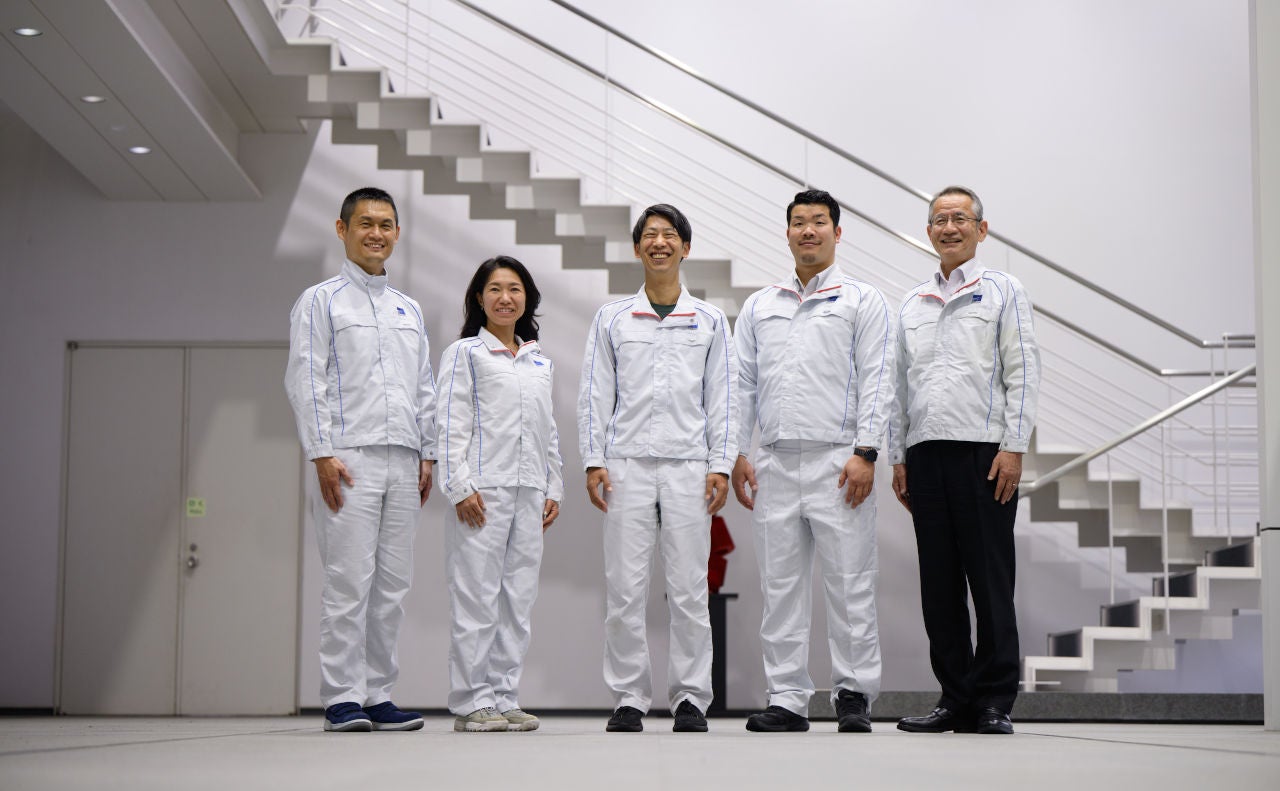
In this article, we interviewed Mr. Hajime Jotoku from the EGQ Activity Promotion Section, Quality Assurance Department, Innovative Production Engineering and Quality Assurance Division, Chief Technology Officer, and Mr. Hirotaka Oike from the Quality Assurance Promotion Section, Quality Assurance Department, QHES Promotion Division, Precision Machinery Company and Mr. Hiroaki Morishita from the Quality Assurance Promotion Section, Quality Assurance Department, QHES Promotion Division, Precision Machinery Company as well as Mr. Tomoshi Inoue from the Quality Control Section 2, Quality Assurance Department, QHES Promotion Division, Precision Machinery Company and Ms. Kumiko Yamaguchi from the Quality Control Section 2, Quality Assurance Department, QHES Promotion Division, Precision Machinery Company, to learn about EBARA's overall initiatives and the efforts to improve quality in the components business of Precision Machinery Company.
Pursuing Activities Guided by Quantitative and Qualitative Quality Goals

The EBARA Group established EGQ in 2020, but what exactly is EGQ and what led to its creation?

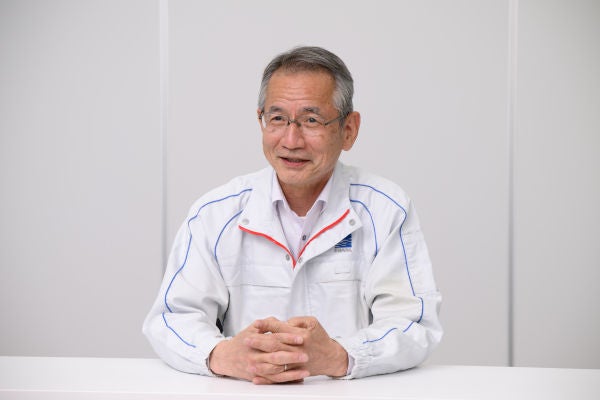
Jotoku: EBARA has long been dedicated to improving quality. Since the 1970s, we have established the "QA (Quality Assurance) General Guidelines" to strengthen our quality focus. However, as the EBARA Group expanded and its overseas locations increased, it became more vital than ever for the entire group to align in the same direction toward quality improvement.

A major turning point in this journey was the formulation of "E-Vision 2030" in 2020. This is a long-term vision that looks ahead to 2030, ten years from now. To reach our "ideal state" in 2030, as outlined in the vision, we have felt a growing imperative to enhance EBARA’s reliability. Our reliability is undoubtedly defined by the quality of our products and services. Therefore, we established EGQ in that same year 2020.

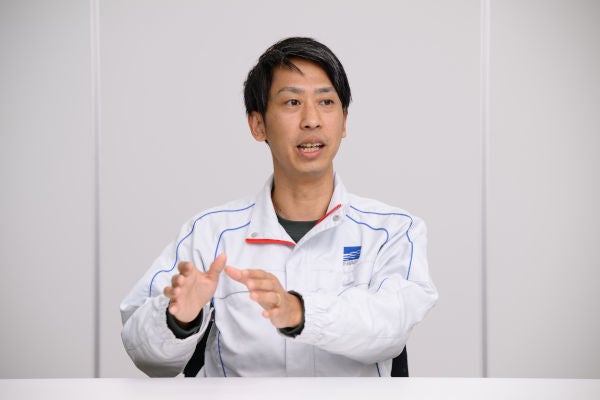
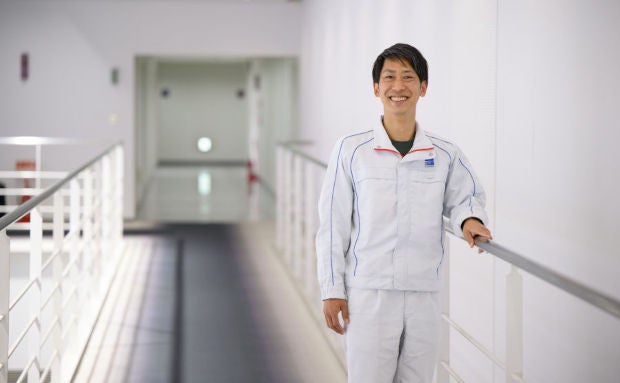
Hajime Jotoku
EGQ Activity Promotion Section, Quality Assurance Department, Innovative Production Engineering and Quality Assurance Division, Chief Technology Officer 

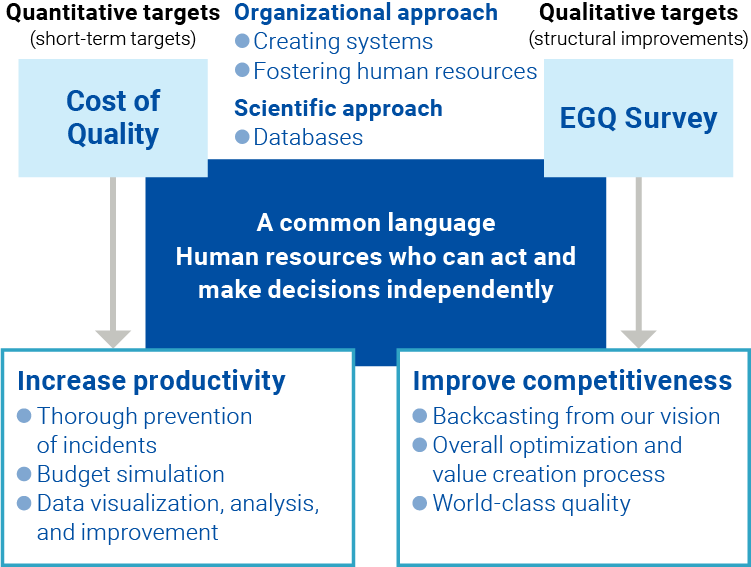
EGQ serves as the EBARA Group's basic policy on quality. Based on its core principles, we conduct "EGQ activities" to improve quality across the entire group.

EBARA consists of five internal companies and 13 domestic business entities, each equipped with dedicated quality assurance and quality control organizations. The four team members here today are engaged in daily quality enhancement activities, and each of their efforts directly links to EGQ.

Quality Assurance Assessment Framework Quality Assurance Assessment Framework

If we can prevent "Quality Nonconformities," it will ease the burden on the front lines.

--- What kind of quality-related tasks are the four of you responsible for?
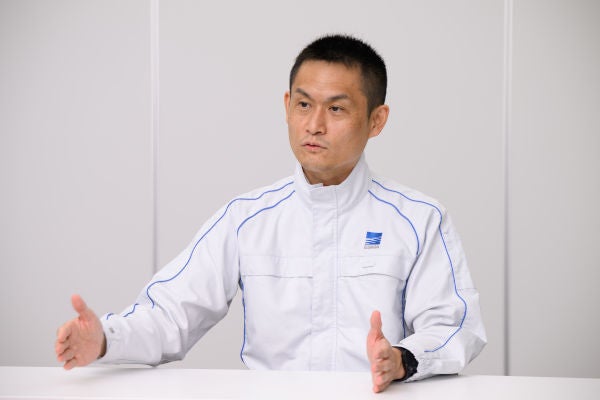
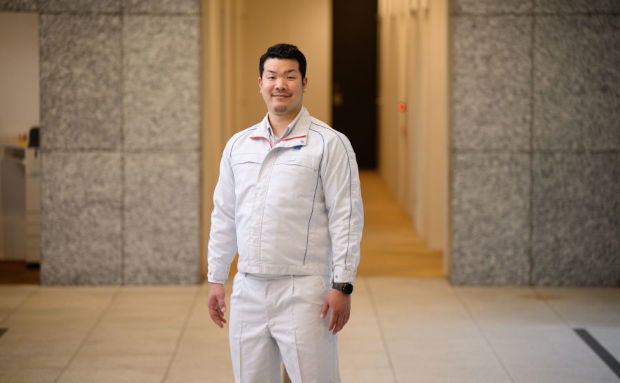
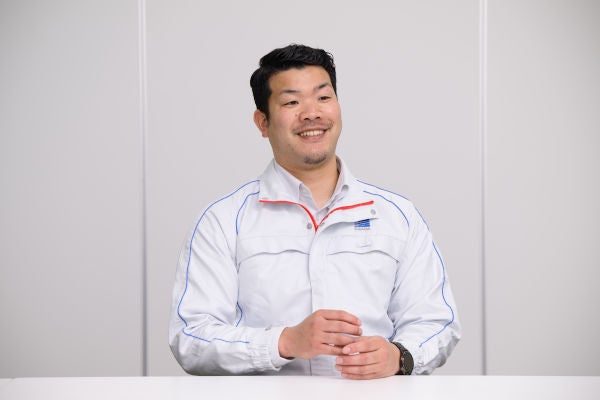
Hiroaki Morishita
Quality Assurance Promotion Section, Quality Assurance Department, QHES Promotion Division, Precision Machinery Company

Morishita: Mr. Oike and I are responsible for quality assurance in the "Components Business" within Precision Machinery Company. Specifically, when a quality non-conformity occurs in a product delivered to a customer, we investigate the root cause and formulate measures to prevent recurrence.

Furthermore, we analyze the failure costs of quality nonconformities that have occurred outside the company, considering where problems are likely to arise and what should be strengthened to improve those areas. I am responsible for the quality assurance of dry vacuum pumps, while Mr. Oike is in charge of the quality assurance of gas abatement systems and ozonized water generators. Both types of equipment are devices used in semiconductor manufacturing, among other applications.

Oike: In the Components Business, we are currently advancing several key initiatives to enhance product quality. For instance, we are strengthening Design Reviews (DR) to identify potential design flaws in each product. We are also focusing on Process FMEA to verify assembly sequences, tools, and potential risks in the manufacturing process.

Additionally, we conduct on-site Quality Patrols to verify whether manufacturing processes adhere strictly to established procedures and standards. Through these efforts, we work continuously to prevent quality nonconformities.

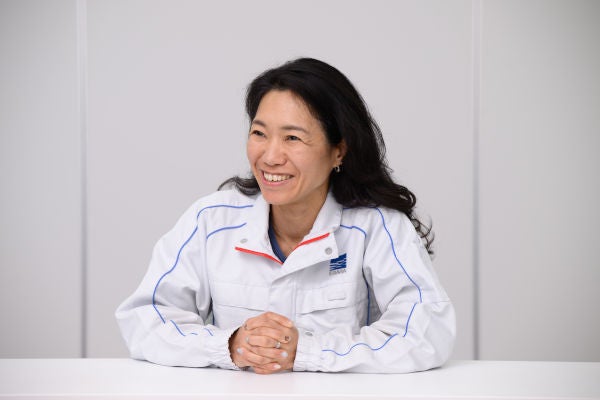
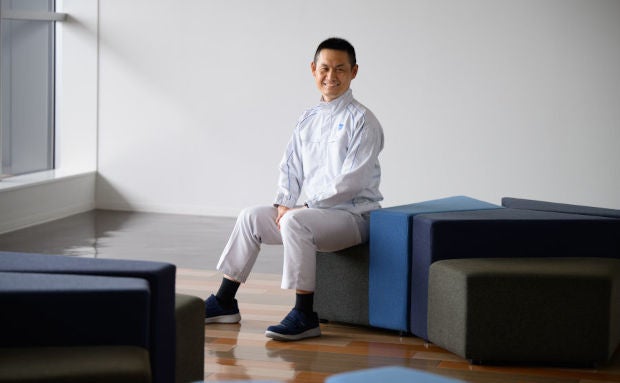
Hirotaka Oike
Quality Assurance Promotion Section, Quality Assurance Department, QHES Promotion Division, Precision Machinery Company
--- What are the responsibilities of Mr. Inoue and Ms. Yamaguchi?

Inoue: Mr. Morishita and Mr. Oike address external quality nonconformities. Ms. Yamaguchi and I handle quality nonconformities that occur within our internal manufacturing processes. We each oversee specific products: I handle dry vacuum pumps, while Ms. Yamaguchi covers ozonized water generators.

Yamaguchi: In practice, we investigate the root causes of internal quality nonconformities and formulate preventive measures. We also perform Process FMEA, DRs, and Quality Patrols.

Inoue: When a quality nonconformity occurs, the production line temporarily stops, requiring rework such as disassembly and reassembly. Naturally, this increases the workload for workers on the shop floor. If we can clearly identify at which stage a quality non-conformity occurs and help prevent its occurrence even slightly, it will surely make things easier for the workers on-site. That motivation drives our daily work.

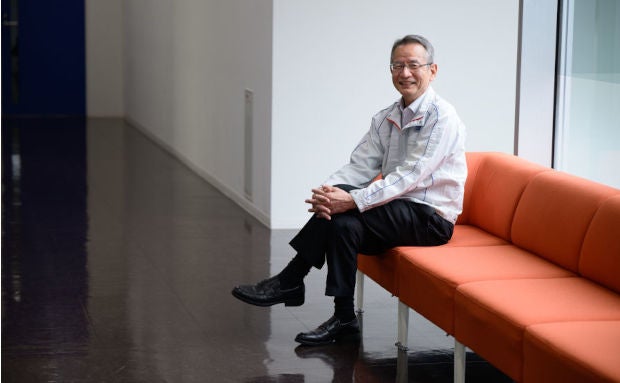
Tomoshi Inoue
Quality Control Section 2, Quality Assurance Department, QHES Promotion Division, Precision Machinery Company
Yamaguchi Kumiko
Quality Control Section 2, Quality Assurance Department, QHES Promotion Division, Precision Machinery Company

The appeal of being involved in quality is the ability to "turn negatives into positives."

— Each of individual contribution builds up to realize the group's EGQ vision, right?

Jotoku: That's right. Of course, we cannot rest on our current achievements; we must continuously enhance our measures.

In February 2026, we formulated "E-Vision 2035," defining our ideal state ten years ahead. Central to achieving this vision is "Quality Management." We see this as a strong commitment by the EBARA Group to elevate quality across all operations.

To drive further quality improvements, developing internal "quality specialists" with deep expertise and practical know-how is vital. As part of the EGQ activities, we have already implemented quality training programs for all employees, from new hires to executive management. Going forward, we plan to offer training that enhances not only manufacturing product quality, but also operational quality across administrative and support functions.

—Do you have any message for the next generation or those interested in pursuing quality roles at EBARA?

Oike: The role of QA and QC is to resolve existing issues and prevent future problems from occurring. In short, it is a profession that turns negatives into positives. It is immensely rewarding, and the experience gained is invaluable.

Yamaguchi: A unique aspect of our Precision Machinery Company's quality department is that it brings together professionals from diverse industry backgrounds. Both Mr. Oike and Mr. Morishita joined EBARA after working in quality roles in other industries, right? Because of our varied experience, we can integrate diverse insights to elevate quality, which continually expands our own knowledge. I look forward to collaborating with diverse talents to continuously raise EBARA's quality standard.


Employee Interviews

Hajime Jotoku (Quality Control and Assurance)

Innovative Production Engineering and Quality Assurance Division

Hiroshi Arai (Research and Development)
Hiroki Oike (Quality Control and Assurance)

Precision Machinery Company

Shohei Iijima (Research and Development)
Hiroaki Morishita (Quality Control and Assurance)

Precision Machinery Company

Yu Nakamura (Research and Development)
Tomomichi Inoue (Quality Control and Assurance)

Precision Machinery Company

Yohei Urano (Research and Development)
Kumiko Yamaguchi (Quality Control and Assurance)

Precision Machinery Company

Hiroshi Arai (Research and Development)